
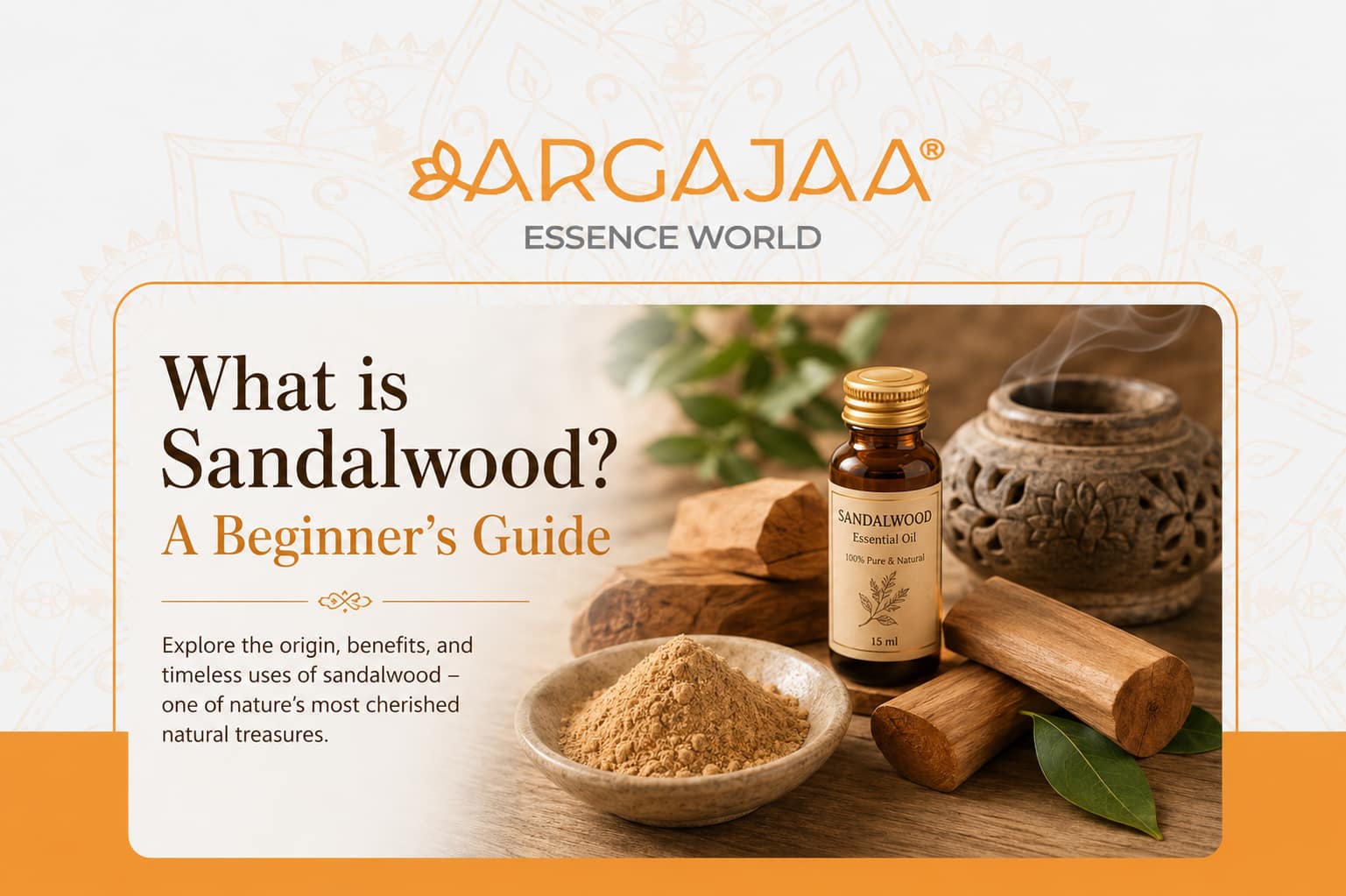

Sandalwood has been treasured for centuries for its rich aroma, cultural significance, and exceptional versatility. From ancient temples and religious ceremonies to luxury perfumes and skincare products, sandalwood continues to be one of the most sought-after natural ingredients in the world. But what exactly is sandalwood, where does it come from, and why is it considered so valuable?
What is Sandalwood?
Sandalwood refers to the fragrant wood obtained from trees belonging to the Santalum species. Unlike ordinary timber, sandalwood is prized for the aromatic oil present within its heartwood (centre part of the tree). This natural oil carries a warm, woody, sweet fragrance that can last for decades, making it highly desirable for perfumes, incense, cosmetics, wellness products, and spiritual practices.
Among the various species, Indian sandalwood (Santalum album) is widely regarded as the finest due to its rich fragrance profile and high oil content.
Where Does Sandalwood Come From?
Sandalwood is primarily grown in tropical and subtropical regions around the world. Historically, India has been the most renowned source of premium sandalwood, particularly from the southern states of Karnataka and Tamil Nadu.
The tree requires several years of careful cultivation before it develops the valuable heartwood. In fact, a sandalwood tree may take 39 to 43 years—or even longer—to mature fully. The highest concentration of aromatic compounds is found deep within the heartwood and roots, which are harvested and processed to produce sandalwood oil, powder, chips, and other value-added products.
Sandalwood is much more than just a fragrant wood. It is a rare natural treasure that combines heritage, craftsmanship, and exceptional quality. Whether used in perfumes, skincare formulations, incense, or wellness products, its timeless appeal continues to make it one of the world’s most cherished natural ingredients.
Natural Botanicals
For those beginning their journey into the world of natural botanicals, sandalwood serves as a perfect example of how nature can create something both luxurious and enduring.


 Select collections available on Amazon India.



Leave A Comment