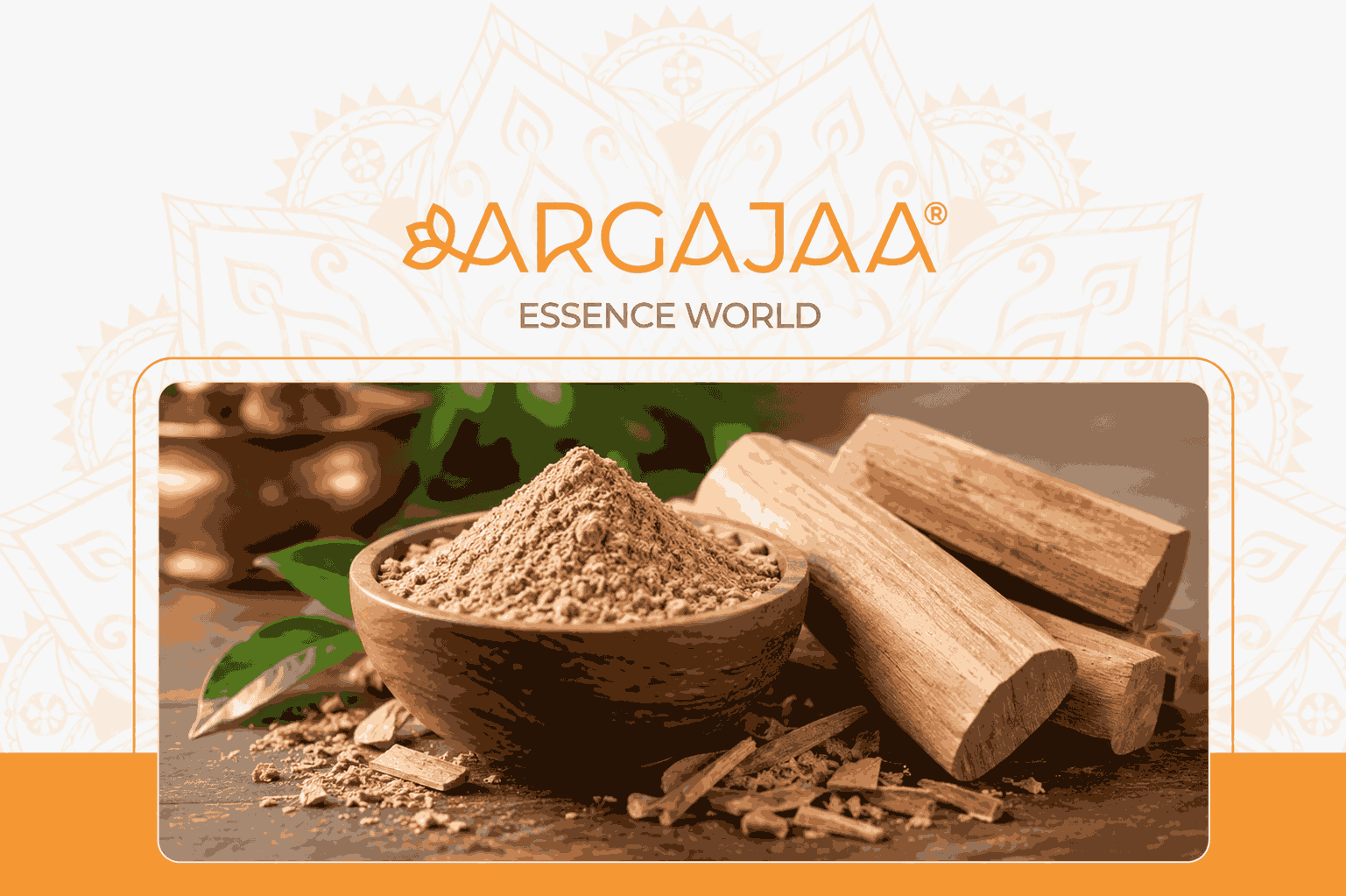
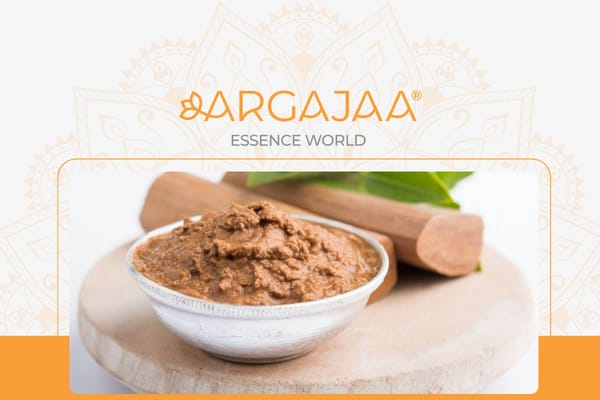
Sandalwood powder is a versatile and natural ingredient known for its soothing, anti-inflammatory, and skin-healing properties. It is perfect for DIY masks that can benefit your skin in multiple ways. In this blog, we’ll guide you through making different types of sandalwood powder masks and explain the benefits of each.

1. Sandalwood and Rosewater Mask for Soothing Skin

Benefits

This mask is perfect for calming irritated skin and reducing redness. Sandalwood’s anti-inflammatory properties combined with the gentle, hydrating nature of rosewater create a soothing effect on the skin.

How to Make

  1. Mix 1 tablespoon of sandalwood powder with 2 tablespoons of rosewater.
  2. Stir the mixture until it forms a smooth paste.
  3. Apply the paste to your face, avoiding the eye area.
  4. Leave it on for 15-20 minutes.
  5. Rinse off with lukewarm water and pat your skin dry.

2. Sandalwood and Turmeric Mask for Acne-Prone Skin

Benefits

This mask helps control acne and breakouts. Turmeric has natural antibacterial properties, while sandalwood powder calms inflammation and reduces redness.

How to Make

  1. Combine 1 tablespoon of sandalwood powder with 1 teaspoon of turmeric powder.
  2. Add enough water or rosewater to create a paste.
  3. Apply the mask evenly on your face.
  4. Leave it on for 10-15 minutes.
  5. Rinse off with warm water.

3. Sandalwood and Honey Mask for Hydration

Benefits

This mask is great for dry skin. Honey provides moisture and nourishment, while sandalwood powder soothes and revitalizes the skin.

How to Make

  1. Mix 1 tablespoon of sandalwood powder with 1 tablespoon of honey.
  2. Stir until you achieve a smooth, thick paste.
  3. Apply the mask to your face and neck.
  4. Leave it on for 15 minutes.
  5. Wash off with warm water.

4. Sandalwood and Yogurt Mask for Brightening

Benefits

This mask helps brighten and even out skin tone. Yogurt contains lactic acid, which gently exfoliates the skin, while sandalwood powder soothes and improves complexion.

How to Make

  1. Combine 1 tablespoon of sandalwood powder with 2 tablespoons of plain yogurt.
  2. Mix well until smooth.
  3. Apply the mask to your face and neck.
  4. Leave it on for 15-20 minutes.
  5. Rinse off with cool water.

Tips for Using Sandalwood Powder Masks

Patch Test: Always perform a patch test on a small area of skin to check for any allergic reactions before applying a mask to your face.
Frequency: Use the masks once or twice a week for best results.
Moisturize: Follow up with a moisturizer to lock in hydration and keep your skin healthy.

Conclusion

These Indian sweets recipes featuring saffron are a wonderful way to bring the rich and aromatic flavors of saffron into your kitchen. Whether you enjoy the creamy richness of saffron-infused kheer, the sweet and fragrant saffron burfi, or the nutty and flavorful saffron ladoo, these treats are sure to delight your taste buds. Try making these recipes at home to experience the magic of saffron in your sweets!