
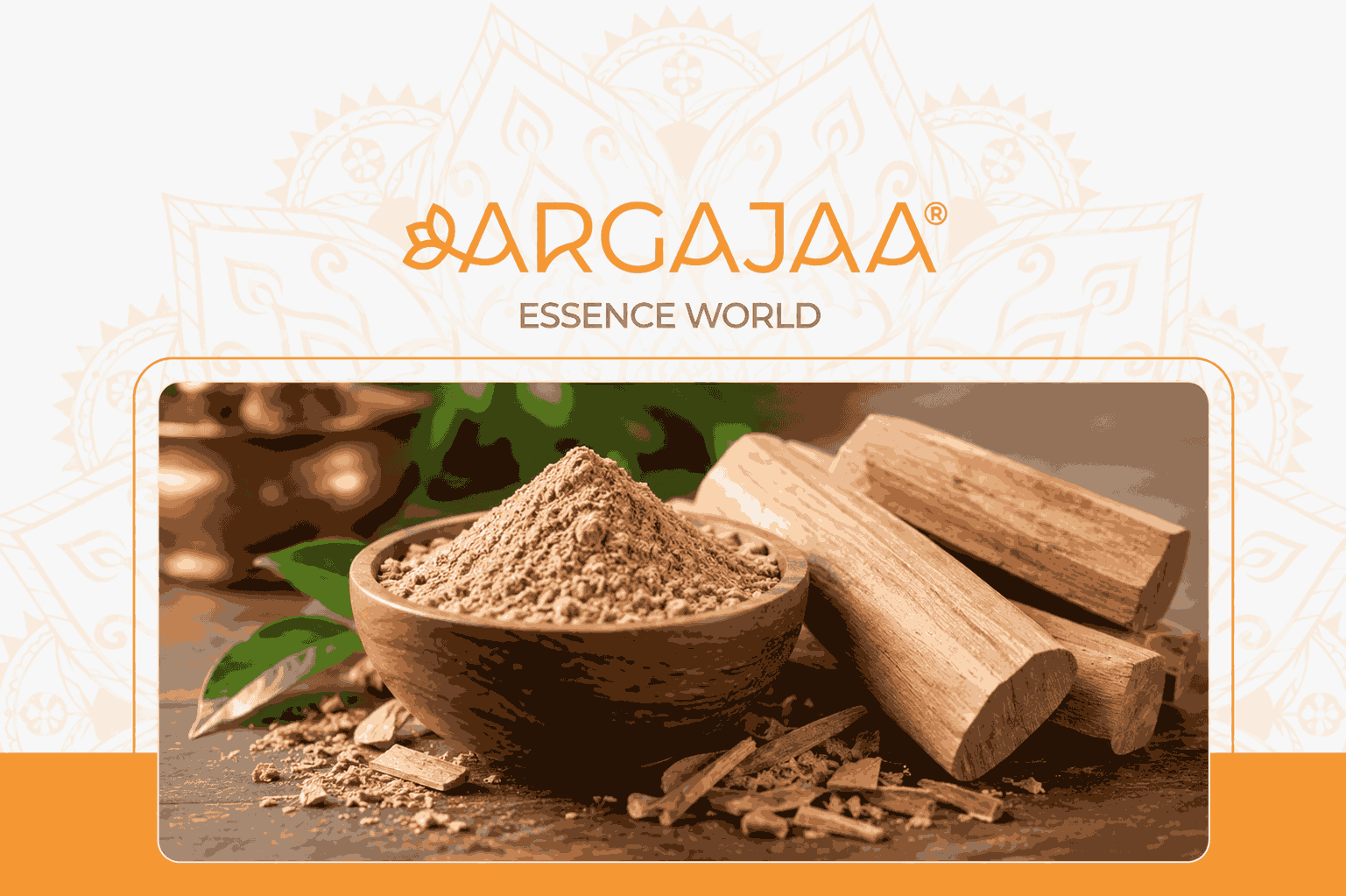
How to Identify Pure Sandalwood: Simple Ways to Check Its Purity
Sandalwood has been valued in India for generations for its distinctive fragrance, natural beauty and traditional uses. From sandalwood wood and chips to powder and oil, it remains a highly valued natural product. But how can you tell whether the sandalwood you are buying is genuine?
Since pure sandalwood is valuable, it is important to know a few basic signs that can help you assess its quality. Fragrance, colour, texture and the source of the product can all provide useful clues.
Why Is Sandalwood Purity Important?
Not every sandalwood product available in the market has the same quality. Some products may contain other wood materials, fillers or synthetic fragrances that imitate the characteristics of genuine sandalwood.
Understanding a few simple characteristics can help you make a more informed choice. However, no single home check can confirm sandalwood purity with complete certainty.
How to Identify Pure Sandalwood
Check the Fragrance
Fragrance is one of the first things to notice when checking sandalwood. Genuine sandalwood is known for its warm, soft and naturally woody aroma. The fragrance is usually smooth and distinctive rather than sharp or strongly perfume-like.
If the smell feels artificial or disappears very quickly, it may be worth checking the product and its source more carefully. Fragrance can be a useful clue, but it should not be considered a complete sandalwood purity test on its own.
Look at the Colour
Natural sandalwood can have light yellow, pale golden or yellowish-brown tones. The exact appearance can vary depending on the wood, age and processing.
Be cautious if a product looks unusually bright or has an artificial-looking colour. However, colour alone cannot confirm whether sandalwood is genuine, as natural products can vary in appearance.
Check the Texture
Texture is another characteristic to consider. Pure sandalwood powder is generally fine and smooth, while sandalwood wood and chips have a naturally dense feel. The texture should be consistent with the form of sandalwood being purchased.
For sandalwood powder, look for a fine texture, natural fragrance and consistent appearance. An unusual smell, rough texture or unexpected particles may be a reason to check the product information more carefully.
Examine the Sandalwood Wood
If you are buying sandalwood wood or chips, pay attention to its overall appearance, density and fragrance. Sandalwood is naturally a dense and aromatic wood. A piece that feels unusually light and has very little characteristic aroma may require closer inspection.
Still, identifying genuine sandalwood wood is not as simple as performing one quick test. The age, part of the wood and storage conditions can influence its appearance and fragrance.
Check Sandalwood Powder Carefully
Sandalwood powder is widely used in traditional practices, personal care and other applications. Since the wood has already been processed into powder, it can be more difficult to assess visually.
When buying pure sandalwood powder, consider its fragrance, colour, texture and consistency. It is also important to look at the product information and the reputation of the supplier.
A powder with an unusual chemical smell or unclear product information should be checked carefully before purchase.
Be Careful When Buying Sandalwood Oil
Sandalwood oil requires a little more attention because a sandalwood-like fragrance does not automatically mean that the oil is pure.
Synthetic fragrances can also imitate the familiar sandalwood aroma. When purchasing sandalwood oil, check the ingredients, product description, source and available information about its quality.
For premium sandalwood products, choosing a transparent and trustworthy supplier is especially important.
Check the Source
One of the most important steps when buying genuine sandalwood is checking the source. A reliable supplier should provide clear information about the product and, where applicable, its sourcing, processing and documentation.
Instead of depending on just one test, consider the complete picture. Look at the product information, physical characteristics, sourcing details and reputation of the supplier.
A trusted source gives you greater confidence when purchasing valuable sandalwood.
Can You Test Sandalwood Purity at Home?
There are several methods online that claim to identify pure sandalwood through simple home tests. Checking fragrance, colour and texture can provide useful initial clues.
However, these observations cannot guarantee authenticity. If you are purchasing sandalwood in larger quantities or need confirmed identification, professional testing and reliable documentation are more dependable than a simple home test.
In short, home checks can help you notice obvious differences, but they should not be treated as conclusive proof of purity.
Pure Sandalwood vs. Questionable Sandalwood
Genuine sandalwood generally has a natural, warm and woody fragrance, while a questionable product may have a strong artificial or perfume-like smell.
Natural sandalwood can have pale yellow to golden or yellowish-brown tones, while unusually bright or inconsistent colouring may require closer attention.
Pure sandalwood powder is generally fine and consistent, while sandalwood wood is naturally dense and aromatic.
Most importantly, a genuine product should come with clear product information and a trustworthy source.
Conclusion
Learning how to identify pure sandalwood can help you make a better buying decision. Fragrance, colour, texture and density can provide useful clues, but none of these characteristics should be considered proof of authenticity on their own.
The safest approach is to look at the product as a whole and choose a supplier that provides clear information about its sandalwood and sourcing.
Whether you are looking for sandalwood wood, chips, powder or oil, understanding what you are buying is the first step towards choosing genuine, quality sandalwood.


 Select collections available on Amazon India.


Leave A Comment