
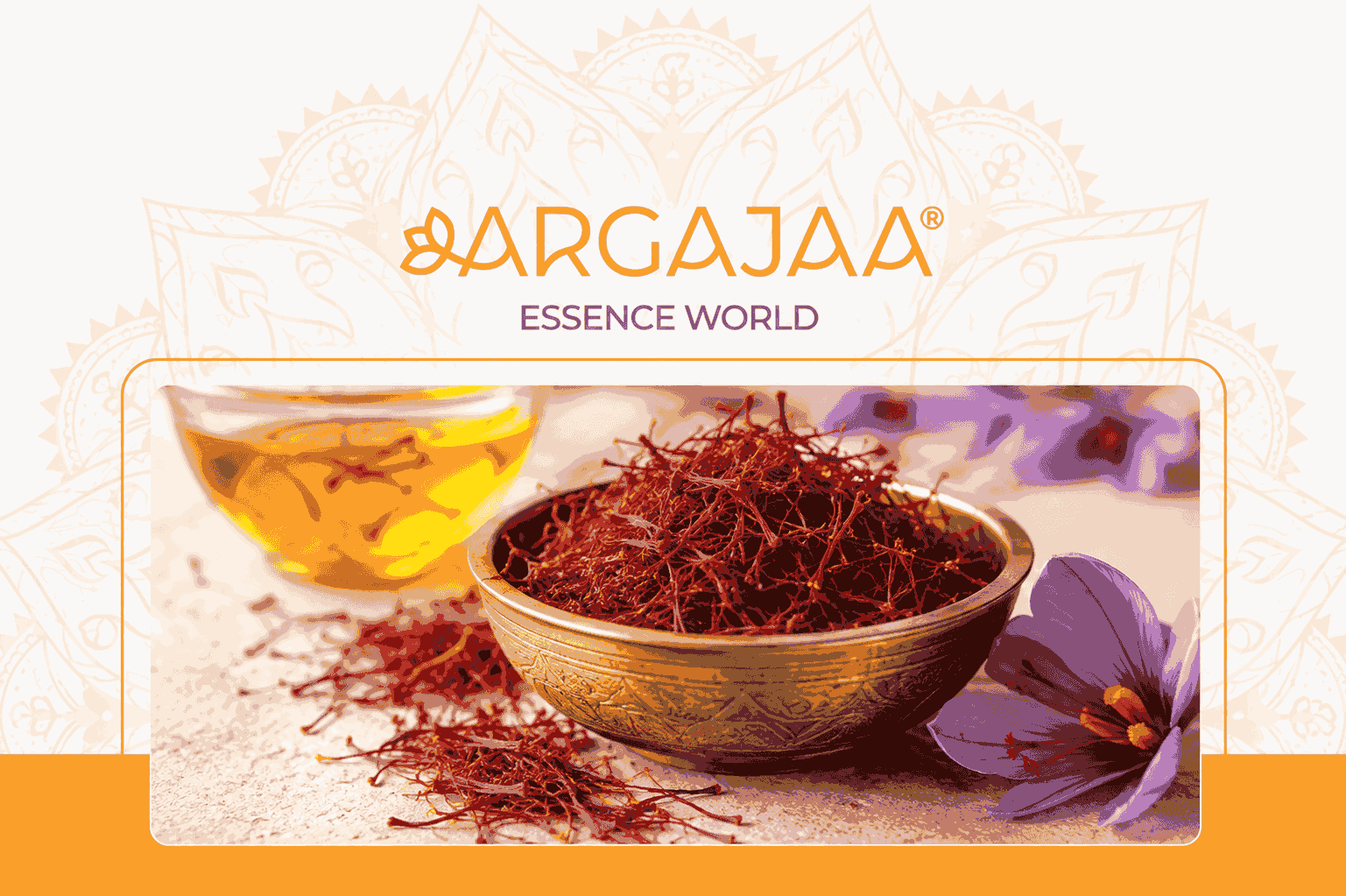
How to Identify Pure Saffron
Saffron is one of the world’s most valuable spices, which makes it important to know how to distinguish genuine saffron from low-quality or adulterated products. Because of its high value, saffron may sometimes be mixed with other materials or artificially coloured to resemble genuine saffron.
Knowing a few simple characteristics can help you make a more informed choice when buying saffron. Its appearance, aroma, colour release and source can all provide useful clues about its quality.
Why Is Saffron Purity Important?
The quality of saffron can vary considerably depending on its origin, processing and storage. Some products sold as saffron may contain dyed plant fibres or other materials that imitate the appearance of genuine saffron.
Understanding the basic characteristics of pure saffron can help you avoid questionable products and make a more informed purchase. However, simple home checks should be treated as initial observations rather than definitive proof of authenticity.
How to Identify Pure Saffron
Check the Colour Release
One commonly used way to examine saffron is to place a few strands in warm water. Genuine saffron generally releases its natural golden-yellow colour gradually rather than producing an intense colour immediately.
The strands should retain much of their reddish appearance as the colour develops in the water. If the colour appears unusually strong or releases very rapidly, it may be worth checking the product more carefully. However, colour release can vary depending on the saffron and the conditions of the test, so this method alone cannot confirm purity.
Pay Attention to the Aroma
Aroma is another useful characteristic when examining saffron. Genuine saffron has a distinctive fragrance that can be described as earthy, warm and slightly sweet, with a characteristic hay-like note.
It should not have an overpowering perfume-like or chemical smell. An unusual or strongly artificial aroma may be a reason to examine the product and its source more carefully.
Observe the Saffron Strands
The appearance of the strands can also provide useful clues. Genuine saffron consists of the dried stigmas of the saffron crocus and naturally has a deep red to reddish colour.
Be cautious of products with strands that look unusually uniform, excessively bright or unlike natural saffron threads. Some adulterated products may use dyed plant fibres or other materials to imitate saffron.
Look at the Colour and Texture
Pure saffron generally has naturally deep red strands with variations in shape and appearance. The strands should not look like perfectly manufactured or identically shaped fibres.
The texture should also be consistent with dried saffron. Products that appear unusually moist, sticky or inconsistent may require closer attention, particularly if the packaging does not provide clear information about the product.
Be Careful of Extremely Cheap Saffron
Price can also be a useful warning sign. Genuine saffron is a high-value spice, so a product being offered at an unusually low price may deserve closer examination.
A low price does not automatically mean that saffron is fake, as pricing can vary depending on origin, grade, quantity and supplier. However, when the price seems unusually low compared with comparable products, checking the source and product information becomes especially important.
Check the Source
One of the most reliable steps when buying saffron is choosing a trustworthy and transparent supplier. Look for clear information about the product, origin, grade, packaging and available quality documentation.
Rather than depending on a single home test, consider the overall picture, including the appearance, aroma, colour release, product information and reputation of the seller.
Can You Confirm Saffron Purity at Home?
Simple checks such as observing the aroma, appearance and colour release can help you identify obvious differences between saffron products. However, these methods cannot guarantee authenticity or determine the exact grade of saffron.
For larger purchases or when confirmed purity is important, laboratory testing and reliable quality documentation are more dependable than home testing alone.
Conclusion
Learning how to identify pure saffron can help you make a more informed buying decision. Natural colour, distinctive aroma, the appearance of the strands and gradual colour release can all provide useful clues when assessing saffron quality.
However, no single home test can conclusively prove that saffron is pure. The safest approach is to consider several characteristics together and purchase from a trusted supplier that provides clear information about the product and its origin.
Whether you are buying saffron for cooking, traditional uses or other applications, understanding its quality is an important step towards choosing genuine saffron.


 Select collections available on Amazon India.

Leave A Comment